
Truck Crash Fault in Texas: Why the Answer Is Often "Both"
Key Takeaways: In many Texas truck crashes, both the driver and the trucking company can be legally responsible. The driver may be liable for careless driving such as speeding, distraction, or fatigue. The company may be liable for the driver’s negligence on the job under respondeat superior, and for its own failures, such as negligent hiring, poor training, ignored maintenance, or negligent entrustment. Chapter 72 of the Texas Civil Practice and Remedies Code controls how these claims move forward. It lets a defendant ask to split the trial into phases, and it limits certain evidence once a company admits the driver was its employee acting within the scope of employment. Safety rule violations can be key evidence of shared fault, and the statute’s broad definition of "employee" may limit the independent-contractor defense. Because the company often holds key records and deadlines apply, injured people may benefit from saving evidence and documenting their injuries early.
In many Texas truck crashes, both the driver and the trucking company may be legally responsible. The driver can be liable for careless driving, and the company can be liable for the driver’s negligence on the job. The company may also be liable for its own decisions, such as putting an unfit driver behind the wheel or skipping maintenance. If you or someone you love was seriously hurt on I-10 through El Paso or toward Las Cruces, knowing who is liable helps you understand your options. New Mexico law may govern a crash across the state line.
If you have questions about your situation, you can talk them through before deciding anything. Carter Law Wins helps injured people and families in El Paso understand their rights after commercial truck crashes, with Spanish-language support available. You can call 915-400-9467 or schedule a conversation with our team whenever you are ready.
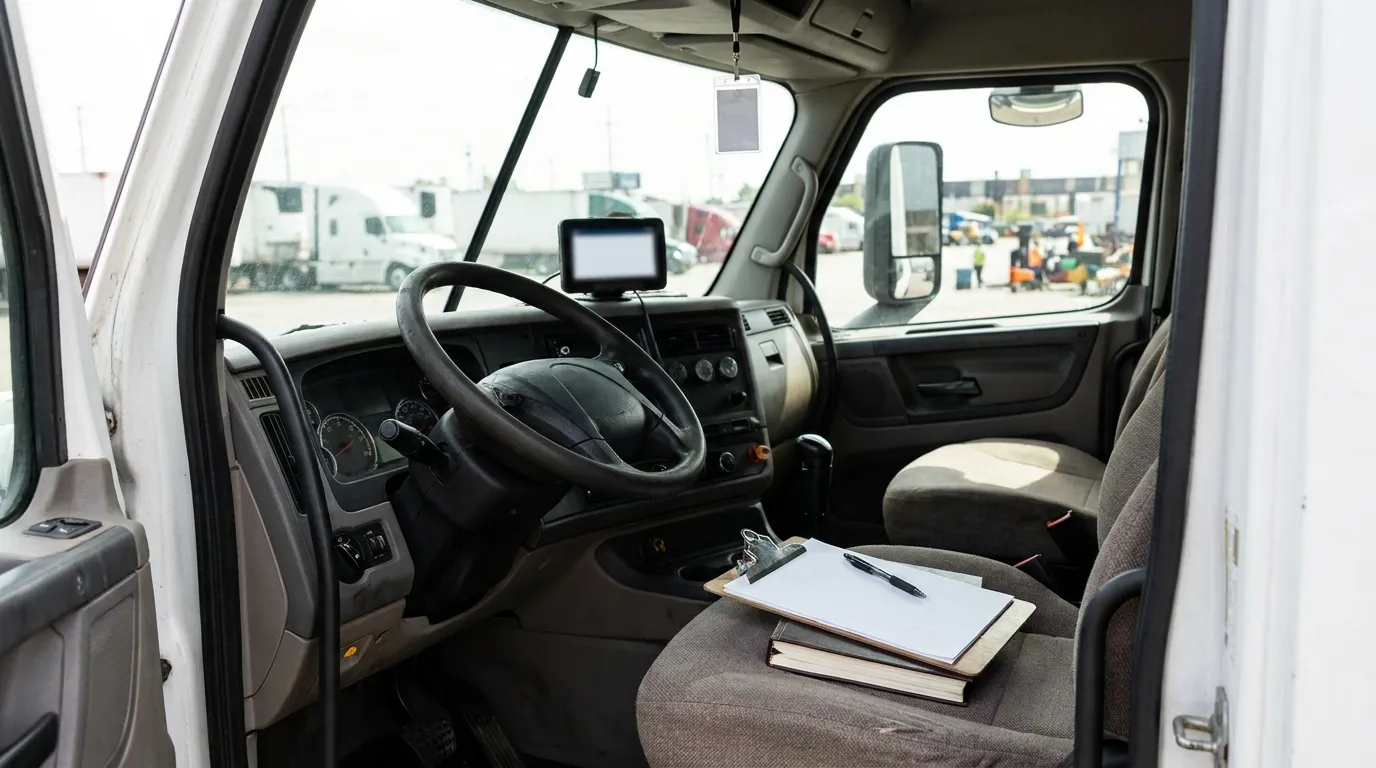
The Texas Law That Governs Truck Crash Lawsuits
Texas has specific rules for commercial vehicle injury cases, found in Chapter 72 of the Civil Practice and Remedies Code. These rules came from House Bill 19, took effect on September 1, 2021, and generally apply to lawsuits filed on or after that date. Under Tex. Civ. Prac. & Rem. Code § 72.051(2), they apply to lawsuits seeking damages for bodily injury or death caused in a crash involving a commercial motor vehicle. A defendant must have either operated the vehicle or be alleged to be liable for the operator’s conduct, including as the owner or employer.
Because the definition reaches defendants liable for the operator, a Texas truck crash lawsuit can often name both the driver and the company. You can read the full text of Texas Chapter 72 on commercial vehicles on the Texas Legislature’s website.
What Counts as a "Commercial Motor Vehicle"
Texas defines the term broadly. Section 72.051 defines a commercial motor vehicle as a motor vehicle, including an attached trailer, used for commercial purposes in interstate or intrastate commerce to move property or passengers. It does not cover vehicles used for personal, family, or household purposes at the time of the crash.
In practice, this may cover 18-wheelers, box trucks, tankers, dump trucks, and delivery vans.
"Operating" a Truck Means More Than Driving
Liability can arise even when the truck was not moving. Under Chapter 72, "operating" includes stopping, parking, or otherwise putting the vehicle into use, and it can cover a truck that has broken down. An 18-wheeler left on a dark shoulder without required warning devices may support a claim, depending on the facts.
Truck Driver Liability: When the Driver Is at Fault
A truck driver may be personally liable when their own negligence causes a crash. Common examples include driving too fast for conditions, following too closely, unsafe lane changes, distracted driving, impairment, and driving while tired. Our guide on what counts as an hours-of-service violation explains how federal driving-time rules work in El Paso cases.
Even when the driver seems at fault, the driver is often not the only responsible party. Individual drivers often lack the assets or coverage to pay for catastrophic injuries, which is why the company’s role matters so much.
Trucking Company Liability: Two Different Paths
A trucking company can be held responsible in two main ways: for its driver’s conduct, and for its own conduct. Chapter 72 handles these theories differently.
Vicarious Liability (Respondeat Superior)
Under respondeat superior, an employer generally answers for an employee’s negligence within the scope of employment. Under § 72.054(a), if the employer stipulates (formally admits) within the time for filing a motion to bifurcate that the driver was its employee acting within the scope of employment, the company’s liability for the driver’s ordinary negligence "shall be based only on respondeat superior."
In plain terms, after that admission the company is responsible for the driver’s negligence on the job if that negligence is proven. In a split trial, the first phase generally focuses on the driver’s negligence, subject to the exception in § 72.054(d). The admission does not bar claims for gross negligence or exemplary (punitive) damages.
Direct Liability for the Company’s Own Choices
Companies may also be liable for their own failures. Examples include negligent hiring, poor training, ignored maintenance, and negligent entrustment, which means handing a truck to a driver the company knew or should have known was unfit.
Chapter 72 limits when this evidence comes in, but it does not erase these claims. Under § 72.054(b), once the employer makes the admission and the trial is split, the injured person generally cannot present first-phase evidence on ordinary negligence claims against the employer that require the driver’s negligence as an element, though this restriction does not apply to evidence allowed under § 72.053(b), such as regulatory or safety-standard violations that proximately caused the injury, which may still be used in phase one for its normal purposes. Separately, under § 72.054(c)-(d), a specific list of driver-qualification and compliance evidence applicable to employers regulated by the Motor Carrier Safety Improvement Act or Transportation Code Chapter 644 may be used in phase one only to prove ordinary negligent entrustment. Claims for exemplary damages, including gross negligence, are reserved for the second phase under § 72.053(c) and § 72.054(f)(2).
💡 Pro Tip: The order of a Texas truck trial is part of the defense strategy. Under § 72.052, a defendant may ask to split the trial into phases. Building a strong record of safety rule violations early may help keep claims against the company from being held back.
Driver vs. Company Fault at a Glance
This table sums up how responsibility is commonly divided. Every case depends on its own facts.
| Theory | Who May Be Liable | Typical Basis |
|---|---|---|
| Driver negligence | Driver | Speeding, distraction, fatigue, unsafe moves |
| Respondeat superior | Employer/carrier | Driver acting within scope of employment (§ 72.054(a)) |
| Negligent entrustment | Employer/carrier | Giving the truck to an unfit driver (§ 72.054(b), (d)) |
| Safety rule violations | Driver and/or carrier | Failure to follow safety rules adopted by Texas |
Safety Rules and Shared Truck Accident Liability
Safety rule violations often show where fault is shared. Texas Transportation Code Chapter 644 lets Texas adopt federal motor carrier safety rules, and Texas has adopted most of them. Under Texas Transportation Code § 644.052, covered carriers and drivers must meet the adopted standards, though some exceptions exist for certain trucks operating only within Texas.
A violation can be evidence of negligence, but it does not automatically prove liability. You generally must show the violation helped cause the crash. Under § 72.053(b), evidence of a violation is generally allowed in the first phase of a split trial only if it was a proximate cause of the crash or relates to the vehicle’s operation or condition at the time. Records commonly reviewed include:
- Electronic logging device data and driver logs
- Maintenance and inspection records
- Driver qualification files and drug test results
- Dispatch messages and delivery schedules
The company often holds these records, and federal rules may require it to keep some only briefly, so saving them early matters. A preservation letter is often one of the first steps in a serious case.
"My Driver Was an Independent Contractor": A Common Defense
Carriers sometimes argue that the driver was not their employee to avoid responsibility. Under Chapter 72, "employee" includes anyone treated as an employee under state or federal law, as well as any agent or other person the employer may be liable for under respondeat superior.
This broad definition does not settle every dispute, but it may limit the defense. Contracts, control over routes, and federal operating authority may all matter. Federal leasing rules may also make a carrier responsible for a leased truck operating under its authority.
Understanding Who Is Liable After a Serious Injury
Figuring out who is liable can feel distant when you are dealing with surgeries, lost work, or grief. Some injuries also show up late. Memory problems, headaches, irritability, or trouble sleeping in the weeks after a crash may point to a traumatic brain injury, even without a direct blow to the head.
Those symptoms need medical attention, and they can also affect your claim. Documenting them early may help link your condition to the crash. Texas generally allows two years from the date of injury to file a personal injury lawsuit, and generally two years from the date of death for wrongful death claims. Exceptions are limited, and claims against government entities may require written notice much sooner. A truck accident lawyer can review which deadlines may apply to you.
💡 Pro Tip: Keep a simple daily journal of symptoms, missed activities, and medical visits. Notes written at the time often carry more weight than memories pieced together months later.
Frequently Asked Questions
1. Can I sue both the truck driver and the trucking company?
Yes, in many cases. Section 72.051 covers claims against both the person who operated the truck and anyone alleged to be liable for the operator’s conduct, such as an owner or employer. Whether each defendant is liable depends on the evidence.
2. What happens if the company admits the driver was its employee?
Under § 72.054(a), its liability for the driver’s ordinary negligence is based only on respondeat superior. Evidence on some direct claims, like negligent entrustment, may be limited in the first phase of a split trial, though evidence allowed under § 72.053(b) is not limited to proving negligent entrustment and may still be used in phase one for its normal purposes. Exemplary damages claims, including gross negligence, are not barred and are reserved for the second phase.
3. Does a delivery van crash fall under these rules?
It may. Vehicles used for commercial purposes to move property generally qualify under § 72.051, unless used for personal, family, or household purposes at the time.
4. What if I was partly at fault?
Texas follows a proportionate responsibility system. You may still recover damages if your share of fault is 50 percent or less, but your recovery is reduced by your percentage of fault. If you are more than 50 percent responsible, you cannot recover.
5. Can a parked or broken-down truck create liability?
Yes, in some cases. Chapter 72 defines "operating" to include stopping, parking, and a vehicle that has broken down, but you still must prove negligence and causation.
Moving Forward With Clear Answers
Liability in a Texas truck crash often reaches past the driver to the company that hired, trained, and dispatched them. Chapter 72 shapes how those claims proceed, state safety rules often supply key evidence, and the outcome depends on the facts.
If you would like to understand how these rules apply to what happened to you or your family, we are here to listen. Reach out to Carter Law Wins by calling 915-400-9467, or request a confidential consultation at a time that works for you. Hablamos español.
Disclaimer: This content is for informational purposes only and is not legal advice. Every case is unique, and results may vary. Consult an attorney about your specific circumstances.