
How New Mexico’s Fault Rules Differ From Texas for I-10 Crash Victims

Crossing the State Line Can Change Your Injury Claim Key Takeaways: New Mexico uses a pure comparative negligence rule, so an injured person can usually still recover damages even if mostly at fault, though the award is cut by their share of blame. Texas uses a modified system with a 51 percent bar, so a […]
What Happens If a Texas Transfer on Death Deed Isn’t Recorded Before Death?

Why Recording Decides Whether Your Texas TODD Works Key Takeaways: If a Texas transfer on death deed isn’t recorded before the owner dies, it generally does not take effect, because Tex. Est. Code § 114.055 says it must be recorded before death in the deed records of the county where the property is located. A […]
Who Pays Your Medical Bills When an Uninsured Driver Hits You in Texas?
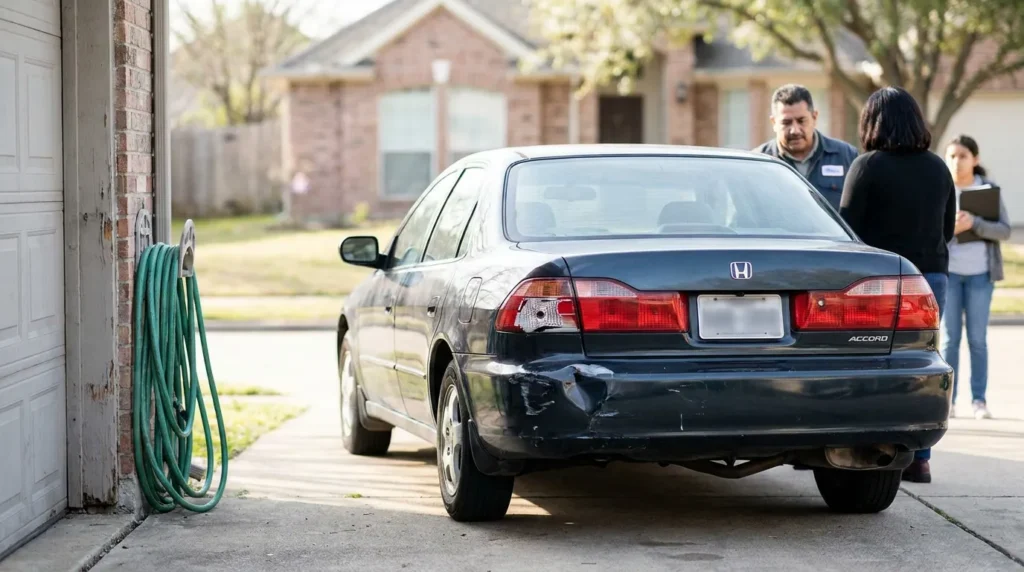
When the Other Driver Has No Insurance, Your Policy Matters Most Key Takeaways: When an uninsured driver hits you in Texas, your own auto policy often pays your medical bills, because the at-fault driver has no liability insurer and rarely has enough money to pay a judgment. The main sources of payment are usually uninsured […]
Can You Have a Concussion if You Never Hit Your Head in a Crash?
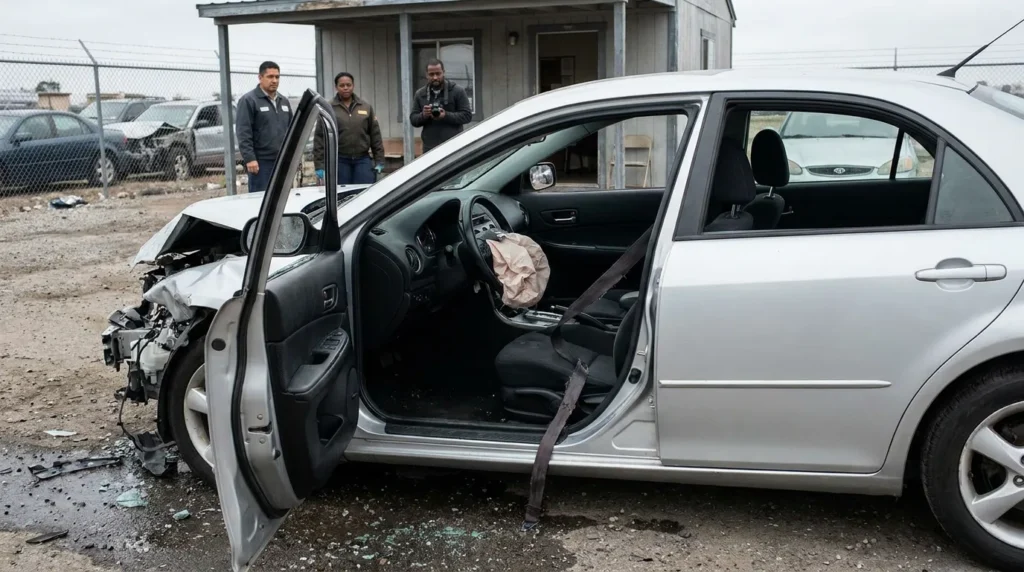
How a Crash Can Injure Your Brain Even When Your Head Never Touches Anything Key Takeaways: Yes, you can get a concussion in a crash without hitting your head. The sudden jolt of a collision can move the brain inside the skull and injure it. These non-impact concussions often leave no visible marks and may […]
Can You Still Have a Claim If No Federal Rule Requires Side Underride Guards?

Side Underride Crashes in El Paso: What the Missing Federal Rule Means for You Key Takeaways: Yes, you may still have a claim after a side underride crash even though no federal rule requires side underride guards. Federal standards FMVSS No. 223 and No. 224 cover only rear impact guards, and federal rulemaking on side […]
Why Your MRI Looked Normal but Your Brain Injury Symptoms Are Real

When the Scan Says "Normal" but You Still Don’t Feel Like Yourself Key Takeaways: A normal MRI does not always mean your brain is uninjured, because standard MRI and CT scans are built to find bleeding, fractures and larger structural damage, not the tiny nerve fiber damage common in mild traumatic brain injury. A collision […]
Why You Should Save Evidence Quickly After an El Paso Truck Crash

How Fast Action Protects Your Case After a Commercial Truck Collision Key Takeaways: Evidence must be saved quickly after an El Paso truck crash because the important records, like driver logs, drug-testing results, hiring files, and electronic data, are held by the trucking company and may not be kept forever, while scene evidence and witness […]
How Long Do You Have to File a Personal Injury Lawsuit in New Mexico?

The Clock Starts Sooner Than Most Injured People Expect Key Takeaways: In most New Mexico personal injury cases, you generally have three years from the date of the injury to file a lawsuit under NMSA 1978, § 37-1-8. Claims against government entities follow stricter rules: generally written notice within 90 days and a lawsuit within […]
What Is a Self-Proving Affidavit for a Texas Will?

Why Some Texas Wills Move Through Probate More Smoothly Key Takeaways: A self-proving affidavit is a sworn, notarized statement, signed by the testator and two witnesses, that confirms a Texas will was properly signed and witnessed. Texas allows three ways to self-prove a will: a separate affidavit attached to the will under Tex. Estates Code […]
How to Read the Contributing Factor Codes on Your El Paso Crash Report
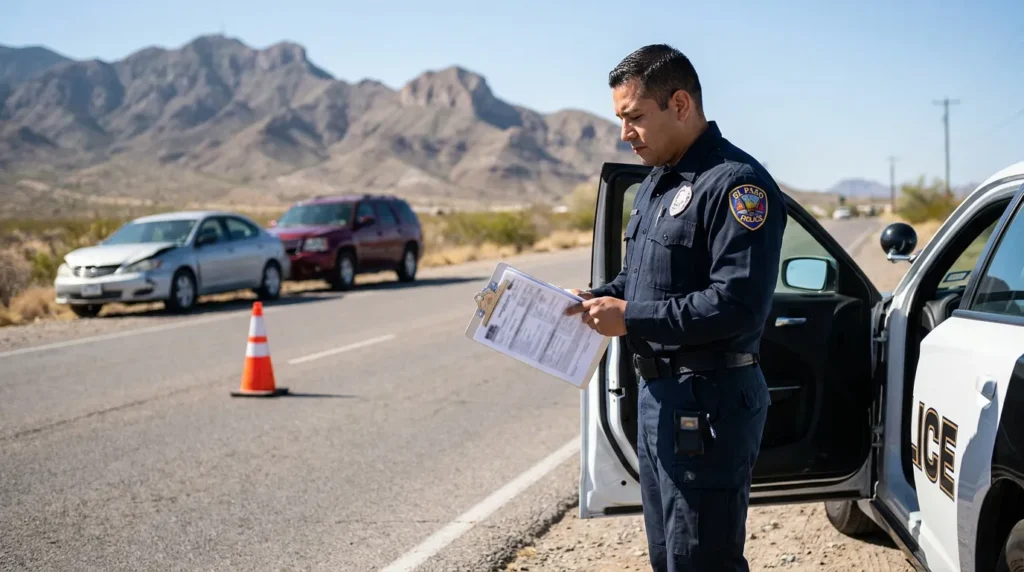
What the Codes on Your El Paso Police Accident Report Actually Mean Key Takeaways: Contributing factor codes on your El Paso crash report are numbers that show what the investigating officer believes caused the collision. They come from the statewide Texas CR-3 form, and each number is defined in TxDOT’s coding manual. To read them, […]